making painting texture
How to Make Your Own Painting Texture
Paintings with Texture
As an abstract artist, a lot of the paintings I create use a texture base on the canvas before I start painting. This painting texture can be added in pretty much any thickness to give the impression that either you have used an impasto paint technique or else just to build an almost 3 dimensional base to your paintings.
In abstract art in particular texture is useful underneath the painting so that you can bring out different colours and show all the layers of paint. if you look at a lot of abstract paintings in hotels for example, you will see that they may have a textured base.
In this article I will tell you how to make your own texture for your paintings using ingredients that are much cheaper than the texture that you can buy in the shops (and also much more effective).

This is the kind of texture effect you can create.
Creating Your Own Texture
When I first started painting I would use gesso both as a primer and for a slightly raised effect under the painting. It still has it's uses and I like it particularly to give extra brush stroke definitions under the main painting, but overall i like to have quite a thick texture base and gesso just doesn't quite cut it (and it is expensive!).
So I have come up with my own recipe for a texture base that adds a great amount of definition to my abstract art. It is made from materials that you can get from a hardware store and that cost a lot less than buying readymade texture from an art shop.
There are two main ingredients to my texture base and that is stucco and PVA. Stucco is a kind of plaster that you might use to patch up areas of wall in your house. The stucco I have comes in a pot ready mixed but you can also buy it in powder form. PVA (or poly vinyl adhesive) is a kind of glue that is also used in building work and craft projects. I tend to buy both in bulk so that I have plenty available for big paintings and commissions.
Stucco is not a particularly flexible medium and so that is why you need to add the PVA to the mix so that it allows it the flexibility to be used on stretch canvas as well as giving it extra adherence to the canvas.
So, mix up your stucco and PVA in the ratio of around 3:1 - you can experiment with different ratios and the more stucco you have the more the mixture is prone to cracking (which can add some interesting effects). You can also add other ingredients to your texture mix to give different effects and the article below will give you some extra ideas on this.
- Alternative Texture to Use in Abstract Paintings
As a mainly abstract artist I have come up with some interesting ingredients to use for texture under my abstract paintings. I mostly use acrylic paint but this texture base can also be used for oil paintings....

Finished painting with a heavy texture base. Painting (c) Azure11, 2011
Applying The Texture
Apply the texture with a spatula, grout spreader, cake slice or anything similar. You can apply it pretty smoothly to the canvas or you can make it really rough. If you want rough effects give the texture a few minutes to start drying and scrape your spatula over the texture to roughen it up. You can also use various other tools to create different marks and effects in the texture including kebab sticks, wooden forks, chopsticks, bubble wrap, cardboard cut-out shapes etc. Just look around the house and start scraping and marking!
The texture should be left to dry overnight or maybe longer if you have applied it really thickly and it may need a light sanding before you paint over the top of it to get rid of any rough edges.
Using Texture for Different Effects
A well as 'roughing up' the texture to get some really interesting kind of 'mountain peak' textures, you can also use this texture to create regular patterns. Below are a few examples of the kind of work that I have created using the texture base, carving out the patterns while the texture is still wet (it can dry pretty quickly so on large canvases I have to carve as I put the texture on) and making marks in the texture:

This painting was made by carving out squares and rectangles in the texture before leaving it to dry and painting.
Source: (c) Azure11

Again the squares were carved out of the texture first before making different patterns with carious tools in each of the squares.
Source: (c) Azure11
Texture Ingredients
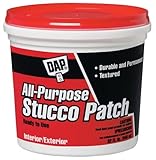

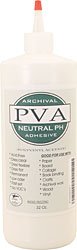

If You Can't Get Hold of Stucco
In some countries it is quite difficult to get hold of stucco. In this case you can try using plaster - in either the powder or the ready mixed form. It doesn't give quite such a smooth finish as the stucco but can give some good rough effects.
Experiment with different materials that you find in a hardware or DIY shop for patching up walls and plaster and you should be able to find something that works for you. But always add the PVA as this should stop it from breaking off the canvas. If you are experimenting then try things out on some cheap canvases first to see what will work for you.
posted by Tronic at 9:13 PM


0 Comments:
Post a Comment
<< Home